Tina Flores · 29 September 2026
Valley Entrepreneurs Test Shared Workspace Models to Blend Tech Startups with Traditional Farming Supply Chains
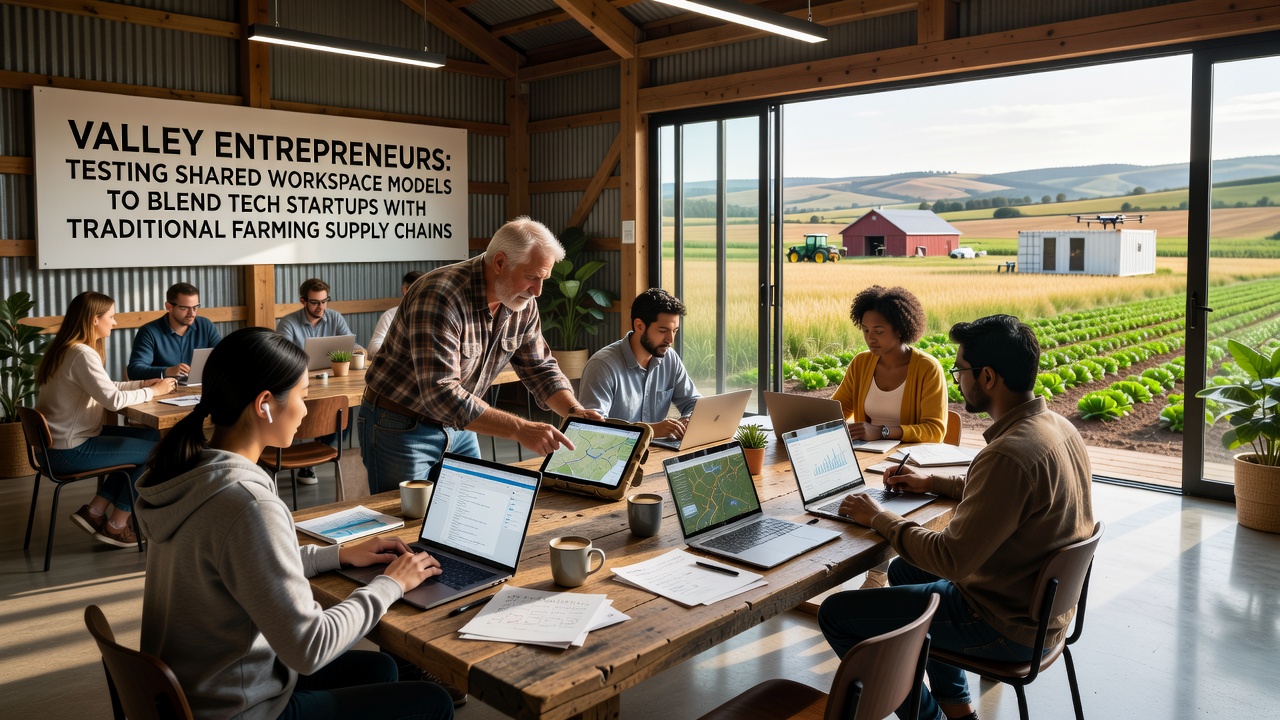
Valley entrepreneurs have launched pilot programs that place tech startups inside the same facilities as established farming supply operations, and these shared workspace models aim to create direct connections between digital tools and traditional agricultural logistics. Observers note that the approach brings software developers into daily contact with equipment suppliers, seed distributors, and harvest coordinators who manage physical distribution networks across the region.
Data from regional economic reports shows that several facilities opened test sites in 2025, and participation has grown steadily through the first half of 2026. Entrepreneurs coordinate the layouts so that coding teams occupy adjacent zones to procurement offices, while shared conference rooms host joint sessions on inventory tracking and sensor integration. Researchers at agricultural colleges have documented early examples where a startup's drone mapping application was adapted for use by a local cooperative within six weeks of co-location.
Shared Facilities Take Shape Across Multiple Sites
Three main locations currently operate under the blended model, each designed around open floor plans that separate quiet coding areas from louder equipment demonstration zones. One site converted a former grain storage building into modular offices, and another repurposed a packing plant warehouse to accommodate both server racks and cold-storage monitoring stations. Participants report that daily foot traffic between the two groups has produced unplanned conversations about supply bottlenecks and data visualization needs.
September 2026 brings an additional expansion phase when a fourth facility is scheduled to open near the central valley highway corridor. Planners have incorporated feedback from the initial sites, including wider loading zones for prototype farm machinery and improved broadband capacity for real-time analytics platforms. Local government records indicate that permitting for the new building was completed in July, and construction crews began interior fit-out work in August.
Tech Applications Meet Supply Chain Realities
Startups housed in these spaces focus on logistics software, soil sensor networks, and automated ordering systems, while neighboring farming businesses handle seed, fertilizer, and equipment distribution. Joint working groups have formed to test how machine learning models can predict delivery delays during peak harvest periods. One documented case involved a routing algorithm that reduced fuel costs for a mid-sized cooperative after developers incorporated actual delivery logs from the supply side.
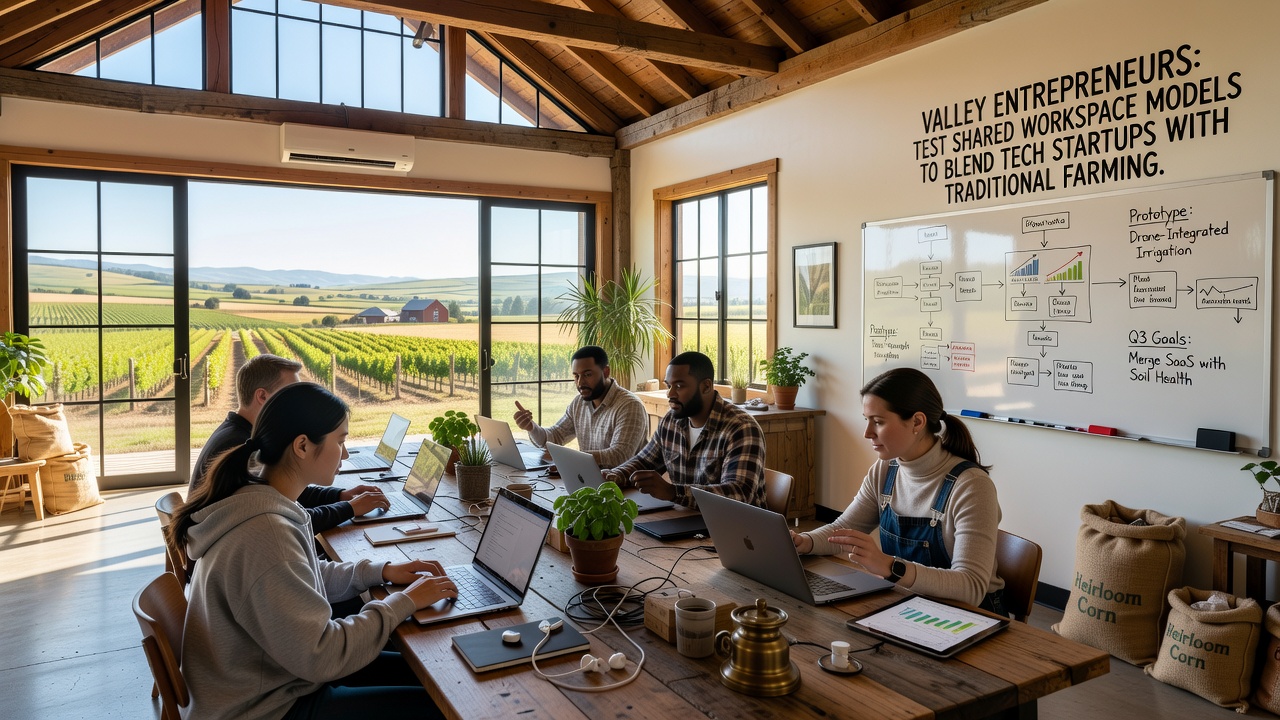
Industry reports from USDA Economic Research Service highlight similar integration efforts in other agricultural regions, where digital tools have shortened the time between harvest and market delivery by measurable margins. Participants in the valley programs cite those findings when explaining their decision to share physical space rather than rely on remote meetings. The proximity allows immediate clarification of data requirements that would otherwise require multiple rounds of emails.
Measurement and Early Outcomes
Tracking metrics include the number of joint projects launched, the speed of prototype deployment, and changes in inventory turnover rates among participating supply firms. Early figures released by the coordinating business association reveal that six collaborative tools reached pilot stage during the first twelve months, and two of those tools have moved into commercial licensing discussions. Supply chain partners have noted reductions in order processing times when developers adjust interfaces based on direct observation of warehouse workflows.
Academic studies conducted by teams at Canadian universities have examined comparable co-location experiments in prairie provinces, and those analyses suggest that physical proximity accelerates iteration cycles when agricultural datasets are involved. Valley organizers have referenced those studies when designing their own evaluation frameworks, which now include quarterly surveys of both startup founders and supply chain managers.
Operational Adjustments Continue
Facility managers adjust noise policies, security protocols, and scheduling calendars as usage patterns become clearer. Some startups requested extended evening access for testing cycles that run overnight, while farming teams asked for reinforced flooring to accommodate heavier equipment displays. These requests have prompted incremental changes rather than wholesale redesigns, and operators document each modification for future reference.
External funding has supported the pilots through a combination of state innovation grants and private investment rounds. Budget summaries published by the regional development authority list line items for shared utilities, common area maintenance, and technical training sessions that bring both groups up to speed on new platforms. Participation remains voluntary, and each tenant signs a standard lease that outlines shared resource expectations without mandating collaboration.
Conclusion
The valley programs continue to evolve as additional participants join and as existing teams refine their joint workflows. Records from the business association indicate that enrollment for the September 2026 expansion already exceeds initial projections, and organizers plan to release updated performance data at the end of the calendar year. The model remains one approach among several strategies that connect technology development with agricultural operations, and its long-term results will depend on sustained coordination between the two sectors.